 A Blask Attacks investigation · blaskattacks.com
A Blask Attacks investigation · blaskattacks.com
A Blask Attacks investigation · blaskattacks.com
Consumer Advocacy Evidence Map
Federal agencies are moving against concentrated 7-OH and synthetic derivatives while explicitly saying ordinary botanical kratom leaf is not the target. Follow the record in order — a financial stake, an enforcement record that splits two ways, and a large donation that landed right after a case went away — and judge for yourself whether that line was drawn cleanly.
01 — The Setup
Before the money and the timeline, understand the line federal policy draws — because everything that follows is about which side of that line different companies land on.
02 — The Stake
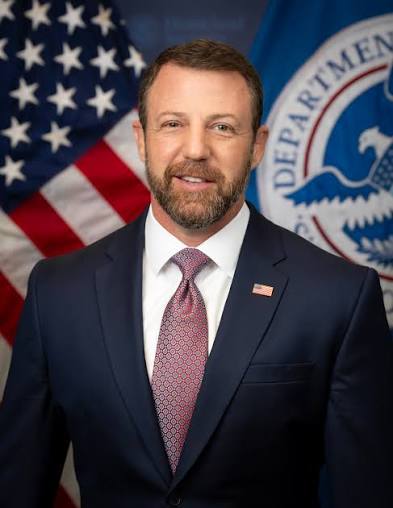
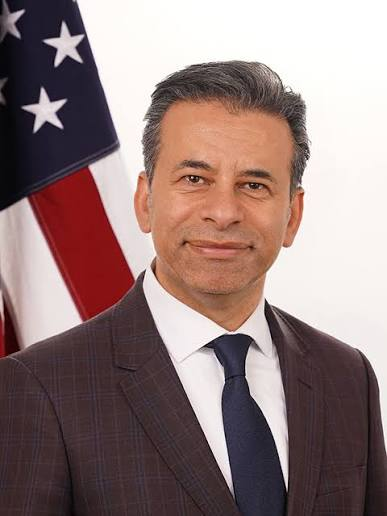
Mullin's federal ethics disclosure — filed as a Nominee Report for Secretary, Department of Homeland Security, electronically signed March 10, 2026 — lists a direct ownership stake in Botanic Tonics LLC, the company behind Feel Free. At the time of filing his other listed federal position was U.S. Senator (Oklahoma, Jan. 2023–present).
Botanic Tonics sits on the leaf-kratom side of the market split above — the side federal policy explicitly says it does not intend to target.
Official record — OGE Form 278eThe New York Times, reporting independently on the same disclosure, notes his form "did not indicate when he acquired his stake" and that "he has not filed paperwork to indicate that he has divested from it."
While still a senator, Mullin also "showed up at a Food and Drug Administration news conference and endorsed proposed federal restrictions on more powerful synthetic supplements that compete with kratom for shelf space," citing a family history of addiction — the same July 2025 appearance covered in the Enforcement Record below.
News reporting — The New York Times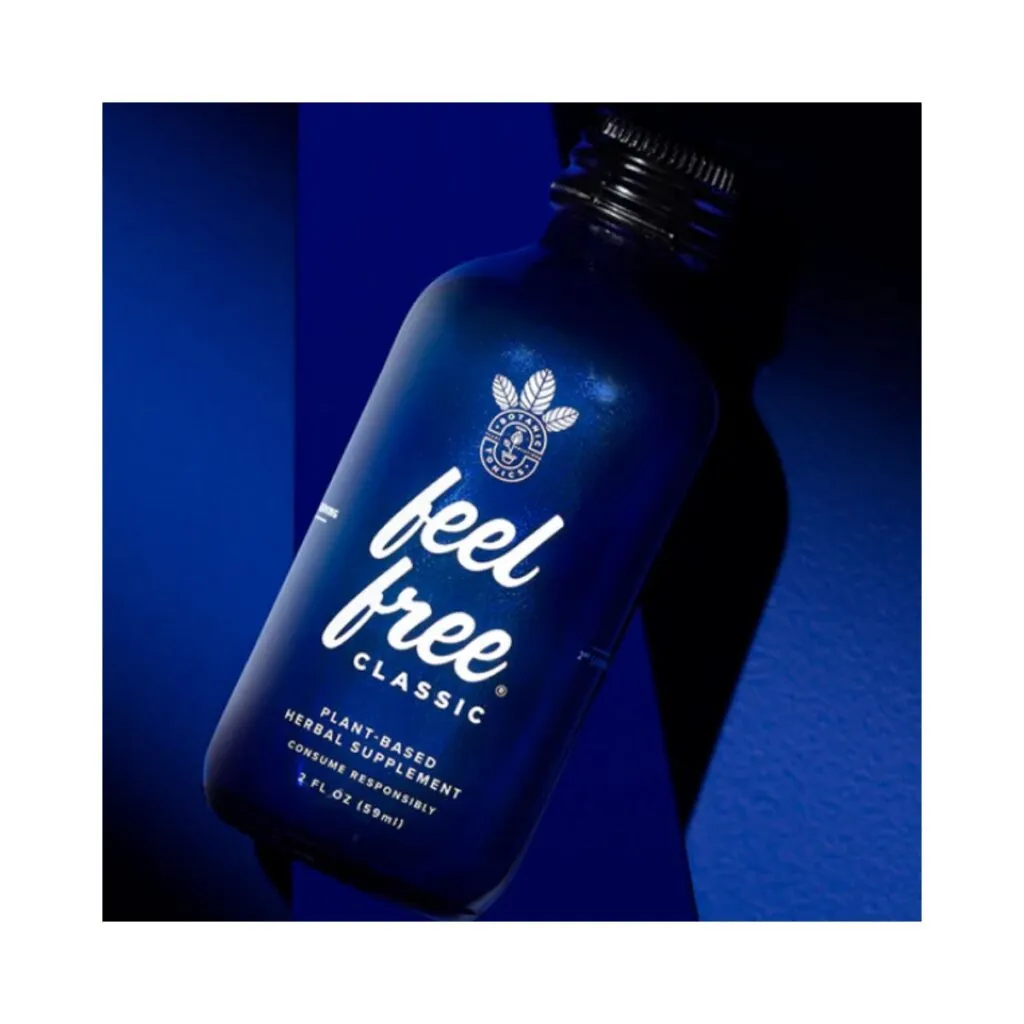
Feel Free, made by Botanic Tonics, is sold as a plant-based herbal supplement — kava root plus kratom leaf. The company's own site says products are made in an FDA-registered, cGMP-certified facility in Tulsa, Oklahoma, and warns the Classic formula can be habit-forming, for adults 21+.
Later that year, after Mullin's HHS-listed appearance discussing 7-OH policy, the company he holds a stake in would see the federal case against it dismissed.
Company statement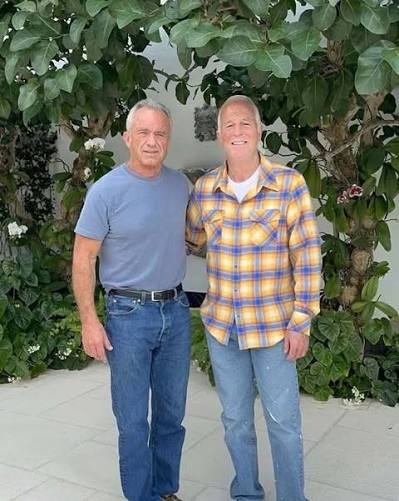
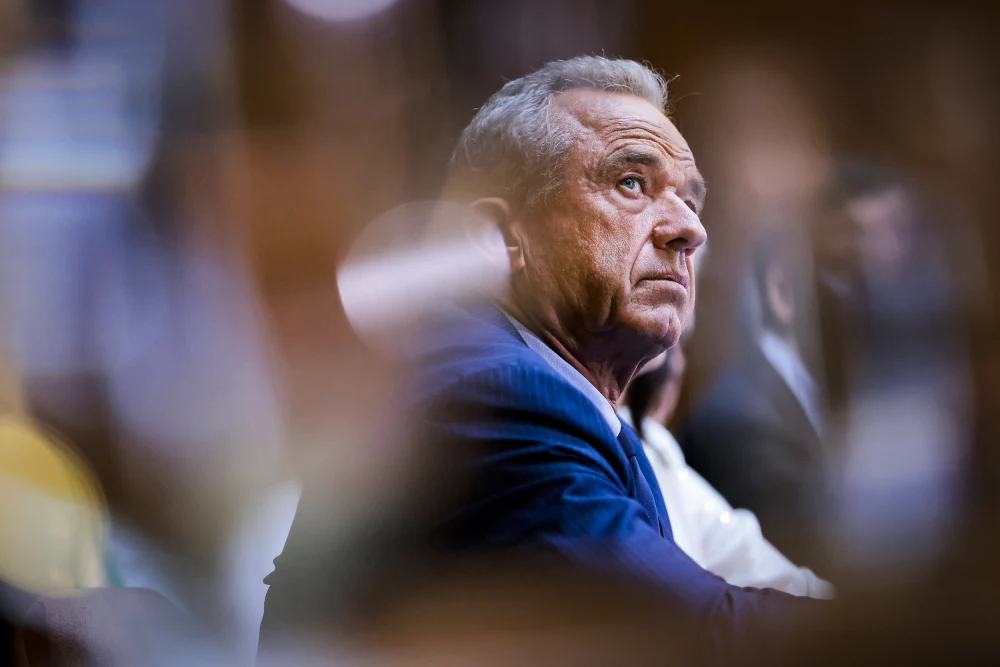
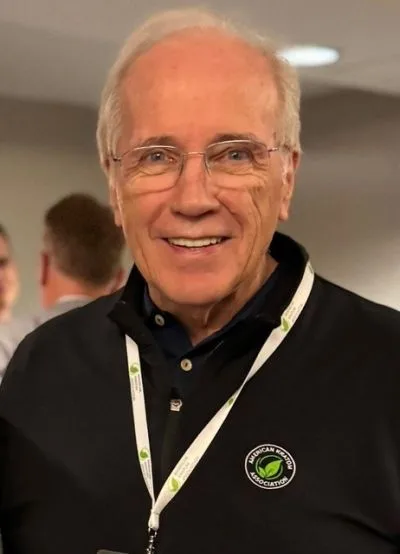
The Times describes founder J.W. Ross (Jerry W. Ross; formerly Jerry Cash) as a leading player in an influence campaign "devised to benefit kratom at the expense of its rivals in the marketplace" — one that courted HHS Secretary Robert F. Kennedy Jr. and Vice President JD Vance, among others in the administration. The investigation is drawn from campaign finance data, lobbying disclosures, court filings, private correspondence, and dozens of interviews.
Per the Times, Ross ramped up his donations to Kennedy's (by then defunct) presidential campaign after Trump chose Kennedy to be HHS Secretary, and privately boasted he was "working on a plan for Bobby."
News reporting — The New York Times03 — The Enforcement Record
United States v. 250,000 filled bottles of liquid product et al. — filed in the U.S. District Court for the Northern District of Oklahoma, case 4:2023cv00168. Botanic Tonics, LLC is named as the claimant on the court docket.
U.S. Marshals seized nearly 250,000 bottles and other kratom products marketed as "Feel Free Plant Based Herbal Supplement." FDA's estimated value: over $3 million.
Cameron Korehbandi — previously CFO of Art of Sport (Kobe Bryant's personal care brand), with prior finance roles at Soylent, Califia Farms, Red Bull, and Unilever — is promoted from President to CEO. Founder J.W. Ross remains Chairman of the Board and stays involved in operations, per the company's release.
While the case against Botanic Tonics remains open, FDA's Human Foods Program and Center for Drug Evaluation and Research send warning letters to seven companies — none affiliated with Botanic Tonics — for marketing concentrated 7-OH products.
Publicly announced July 15, 2025 under the headline "Alkaloid known as 7-OH is not a lawful dietary supplement, food additive, or ingredient in any approved drug."
HHS's own media advisory lists the participants: Secretary Robert F. Kennedy Jr., Deputy Secretary Jim O'Neill, FDA Commissioner Dr. Marty Makary, U.S. Senator Markwayne Mullin (R-OK), and chronic pain survivor Melody Woolf — announcing "new actions the agency is taking on the dangerous opioid 7-OH."
The next day, FDA recommends scheduling action against 7-OH, stating the action targets concentrated and synthetic 7-OH — not natural kratom leaf products. The New York Times reports that at this appearance, still a sitting senator, Mullin "endorsed proposed federal restrictions on more powerful synthetic supplements that compete with kratom for shelf space," citing a family history of addiction.
The New York Times reports the FDA deleted links on its kratom webpage that detailed the then-pending legal case against Botanic Tonics — "after his allies pushed for the change."
Per the Times, HHS Secretary Kennedy personally called the governor of Ohio "to try to head off a state ban on kratom" that fall.
04 — The Reversal
The DOJ/FDA case against Botanic Tonics is dismissed. The company announces it publicly as "the government dismisses FDA case... reflecting regulatory evolution on natural kratom leaf products." The Kansas City Star reports the dismissal came just 12 days after the company lost its bid to have the case thrown out.
FEC individual contribution records (committee C00821439, "MAHA PAC") show two separate $500,000 contributions from Botanic Tonics LLC — one dated 03/04/2026, one dated 04/09/2026 — for a combined $1,000,000. This resolves what looked like a conflict in earlier reporting: the Kansas City Star's $500,000 figure and the New York Times' $1 million figure were each accurate, just describing different points in the same sequence of giving. The donor is listed directly as "Botanic Tonics LLC," not through an obscure shell entity.
Two Notices of Intent go to the Federal Register — one for 7-OH above a specified threshold, one for three related synthetic substances (mitragynine pseudoindoxyl, MGM-15, MGM-16). HHS had already found the substances have "no accepted medical use and a high potential for abuse."
05 — The Lobbying Web
The same firm represented two sides of the leaf-kratom lobbying effort. Here's what the filings say.
Based on the cited LDA filing for each entity — not a full lobbying history.
| Entity | U.S. House | U.S. Senate | FDA | HHS | White House Office | USDA |
|---|---|---|---|---|---|---|
| Botanic Tonics | ● | ● | — | — | — | ● |
| Global Kratom Coalition | ● | ● | ● | — | — | — |
| American Kratom Association | ● | ● | ● | ● | ● | — |
| MIT45 | ● | ● | — | — | — | — |
06 — The Network
Nodes are people, companies, lobbying firms, and agencies. Edges represent a specific documented relationship from the sections above.
Simplified static diagram — not force-directed. Layout is manually arranged for readability; proximity does not imply strength of relationship.
07 — Key People
Documented connections only. Evidence level is marked on every card.


08 — Companies & Organizations
09 — Campaign Finance Search Guide
10 — Sources